I'm Will, 23, a chef in London and a self-taught web designer. In my spare time I build real things for real businesses, all unpaid and out of genuine interest. This portfolio shows five of them, along with the research and thinking behind each one.
Everything here was designed by me and built with the help of modern AI development tools. I'm strong on research, art direction and ideas. The programming underneath is the part I can't fully explain yet.
Each project below starts with the research and thinking, not just the finished screen. That is the work I care about most.
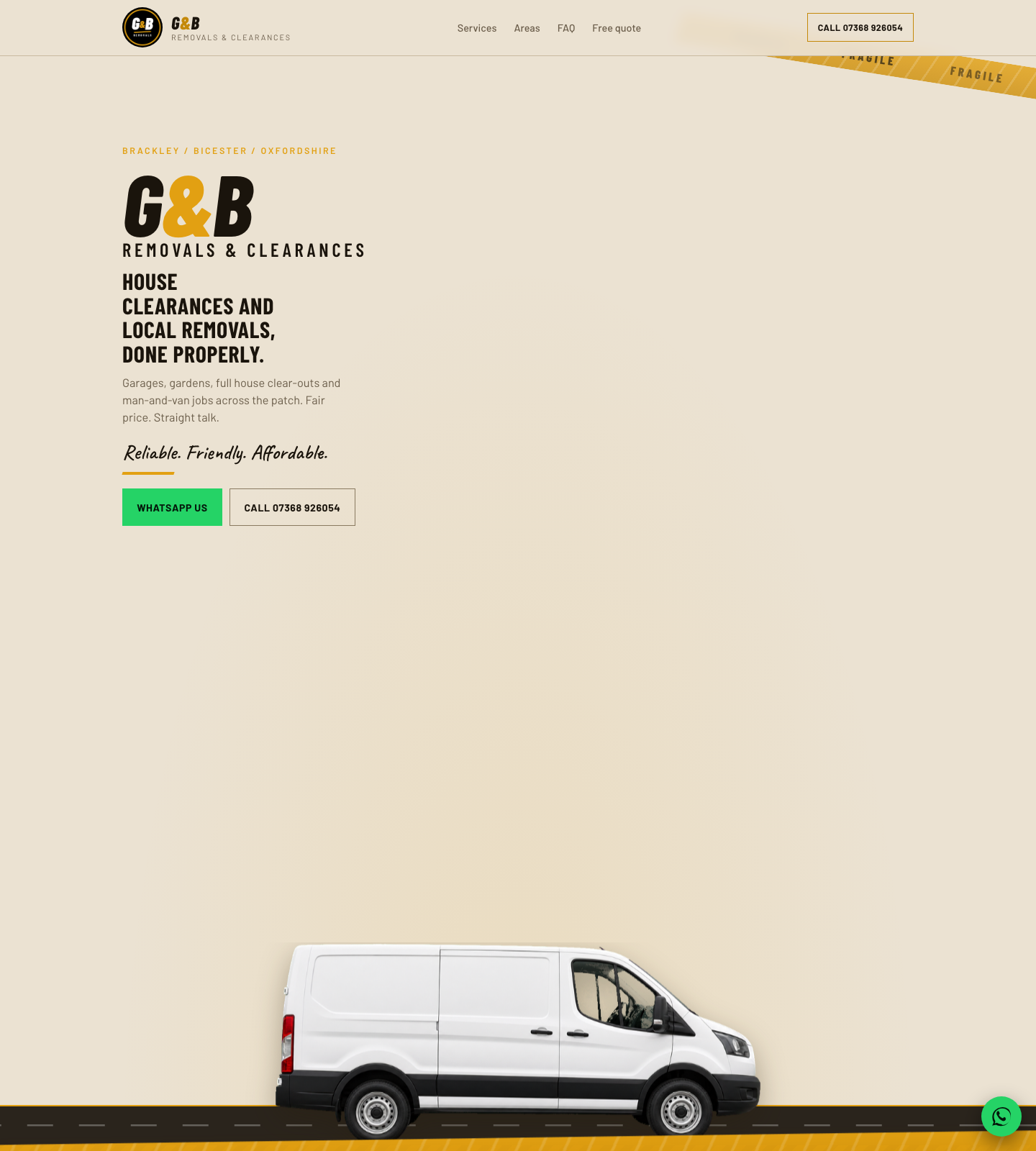
A friend's man-and-van and house clearance business covering Brackley, Bicester and Oxfordshire. Most of their work comes through Facebook and WhatsApp photo quotes. They needed a proper site that still felt like them, not a generic trade template.
WhatsApp had to be the primary path, because people already send photos of the job. Call is secondary. The page should read as packing and loading, not SaaS dark mode, so someone landing cold immediately gets the trade.
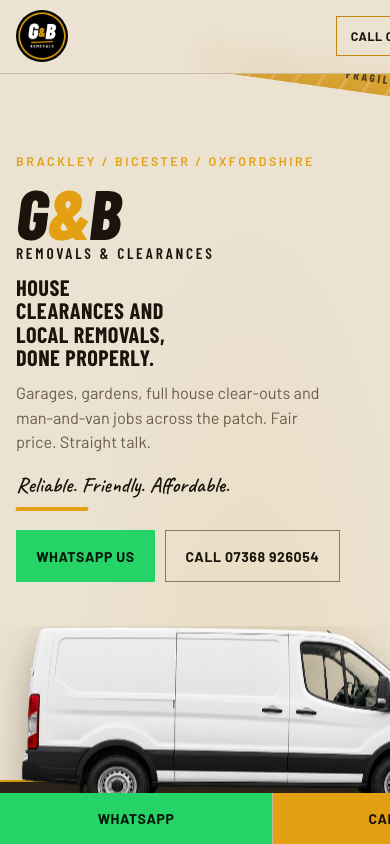
Packing-paper cream, kraft cardboard sections as moving boxes, amber G&B tape, and their white Transit on the road. Sticky WhatsApp and call on mobile. Live now at gbclear.co.uk.
Unsolicited personal project · not a live client site
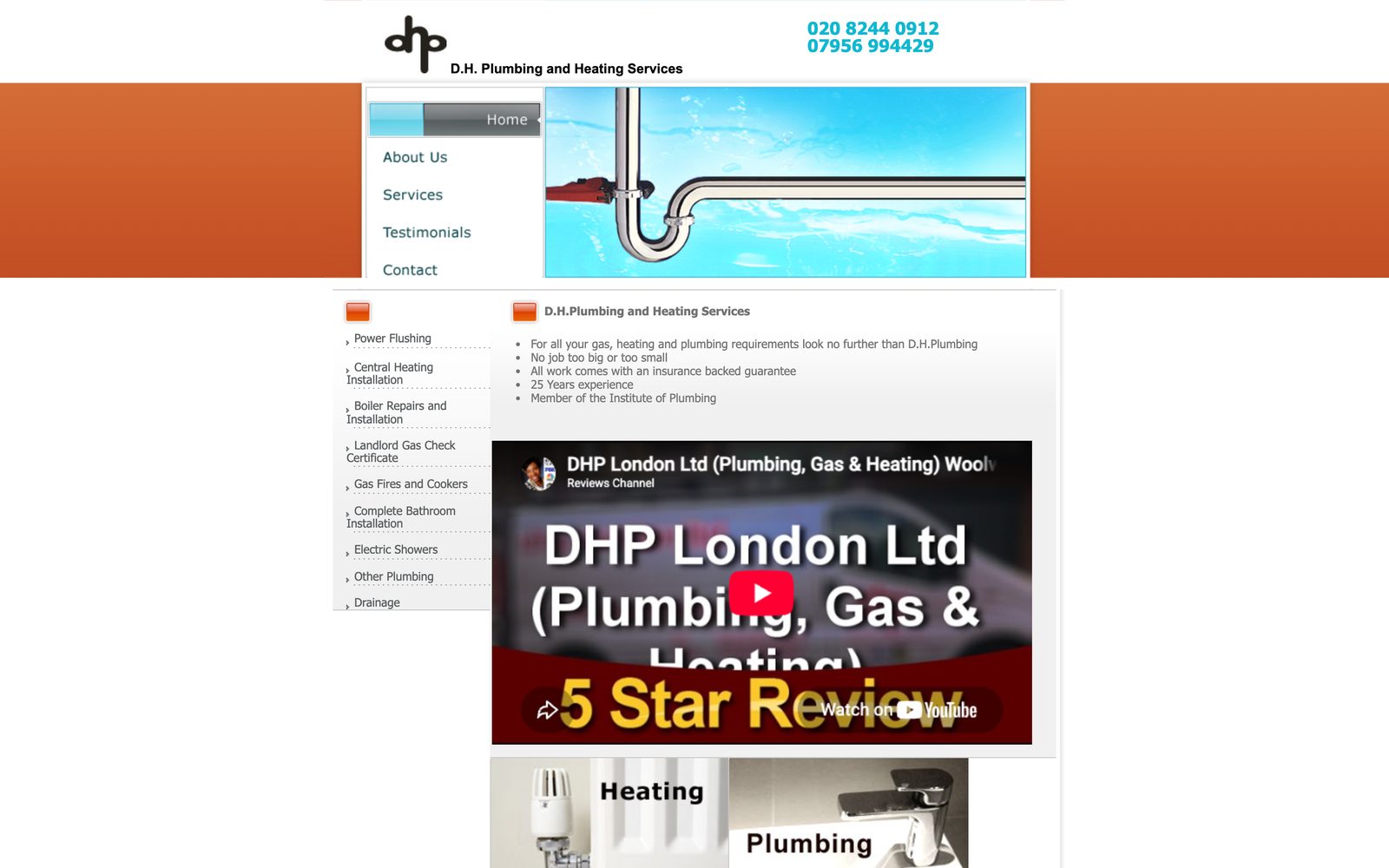
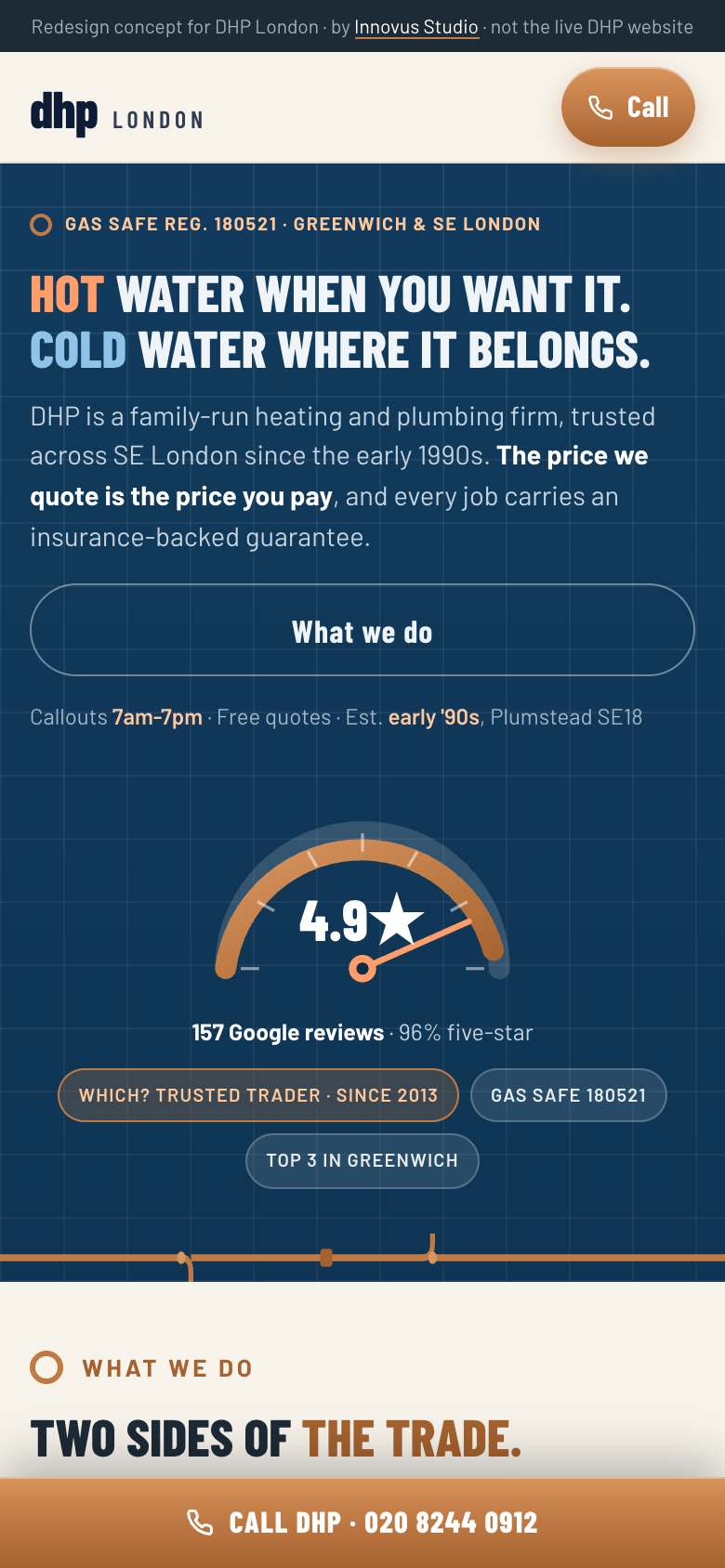
I started by looking at how the business actually works and how people find them. Reviews, their existing sites, and what a customer needs in the first few seconds. The pattern that kept coming up was simple. Someone's boiler has gone, they're on their phone, and they need to trust who they're calling. This redesign was unsolicited — a personal project, not work they commissioned.
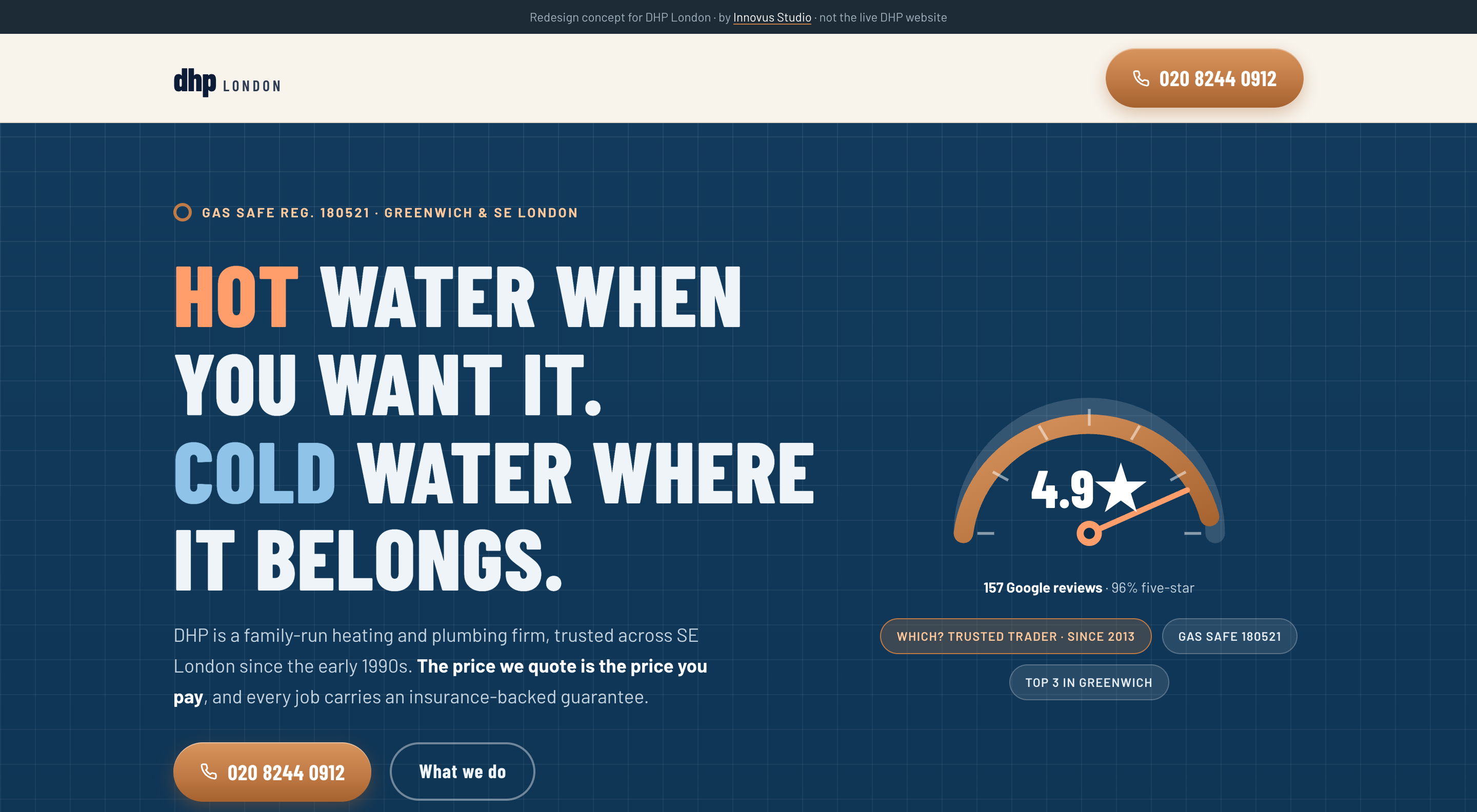
That shaped the whole layout. The phone number had to be impossible to miss. I built the visuals around their real review score and trust signals, because that felt more honest for a trade business. The headline plays off heating and plumbing as two halves of the same job.
I took the look from the trade itself. Navy like a blueprint, copper and brass from pipework, and a pressure-gauge motif for the rating. On mobile I kept a sticky call bar at the bottom so the most useful action is always there.
Unsolicited personal project · not a live client site
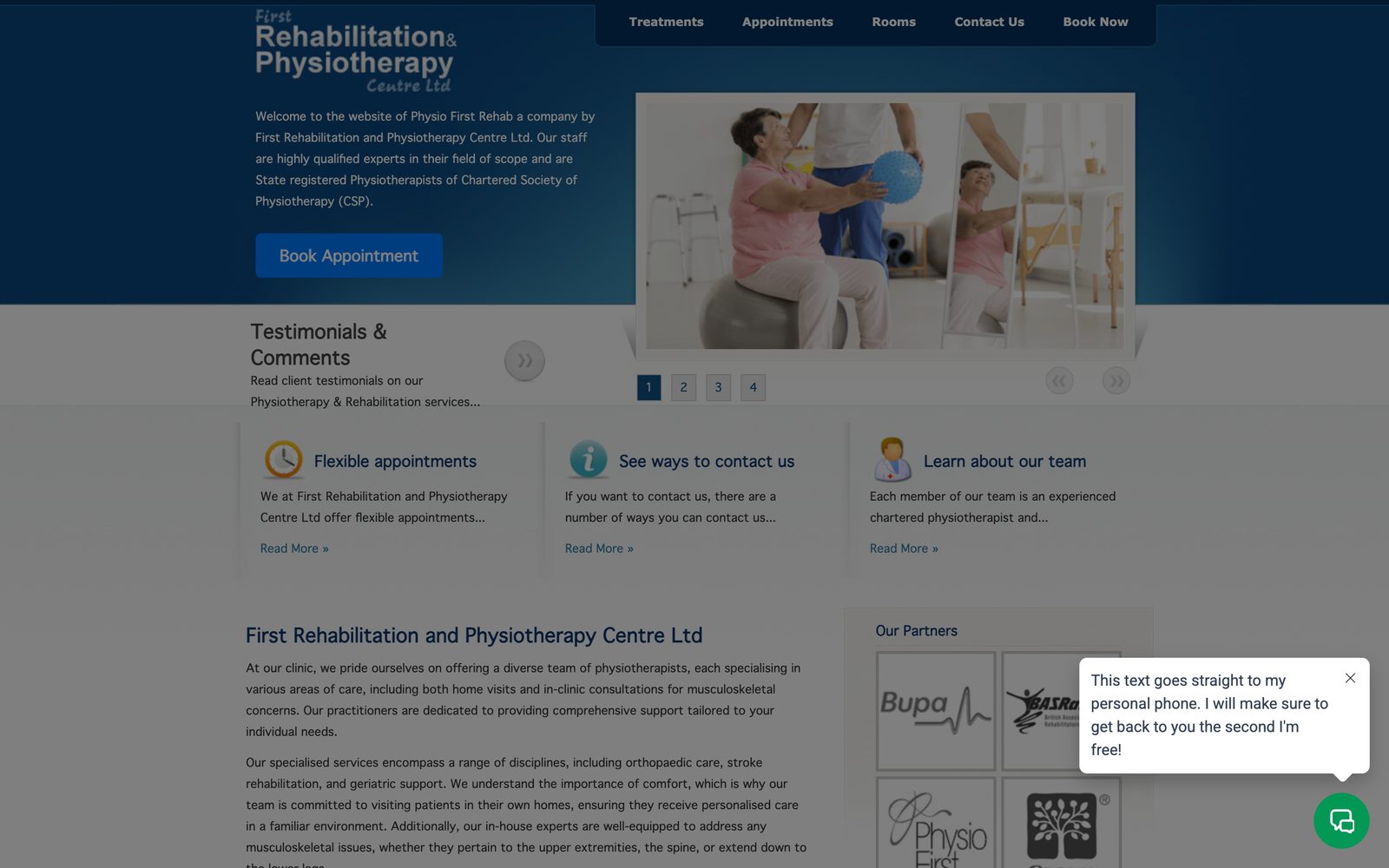
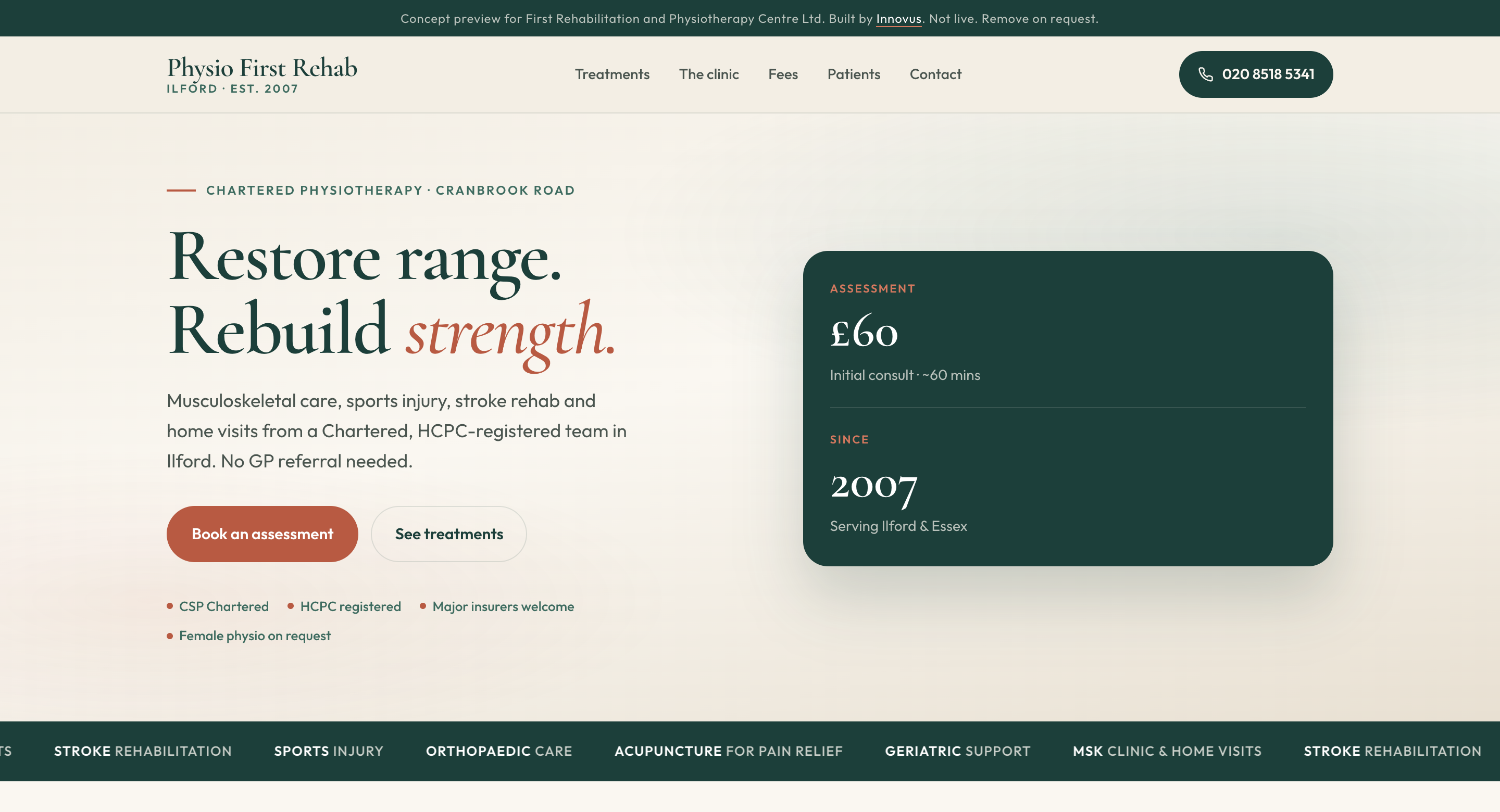
I looked at how people actually use a clinic website. Usually they want to know what gets treated, roughly what it costs, and how to book. The existing site was busy and hard to settle into, so I treated calm and clarity as the brief. Like DHP, this was an unsolicited personal project — not a live client site.
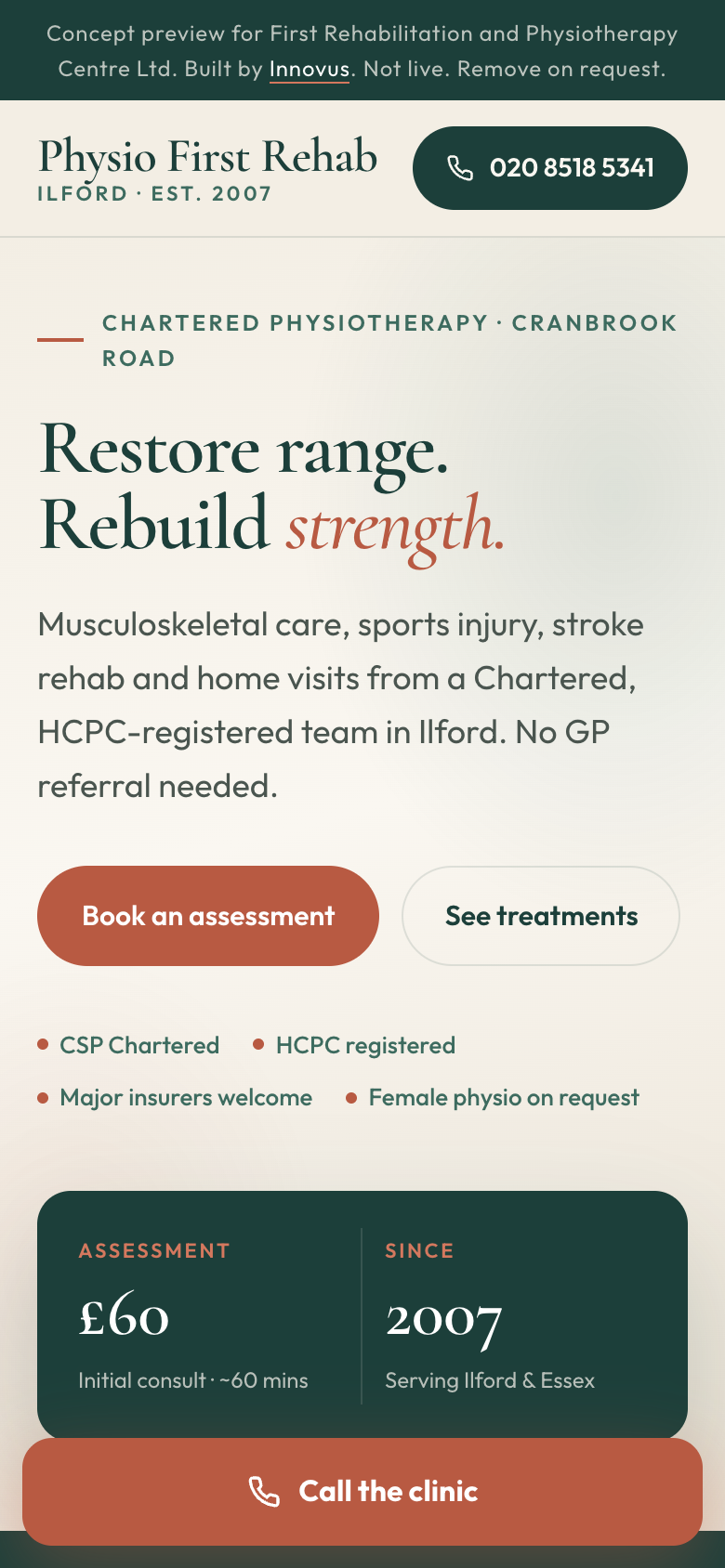
Someone opening this page is often already sore or recovering. I wanted the first screen to feel quiet and useful. Putting the assessment price and how established the clinic is near the top felt like the right move, because it answers the awkward questions before anyone has to ask.
Soft greens and creams, a quieter serif for the headlines, and a dark card for the fee. Treatments sit in a simple strip instead of a long wall of text. Mobile follows the same hierarchy, with a call button if you just want to speak to someone.
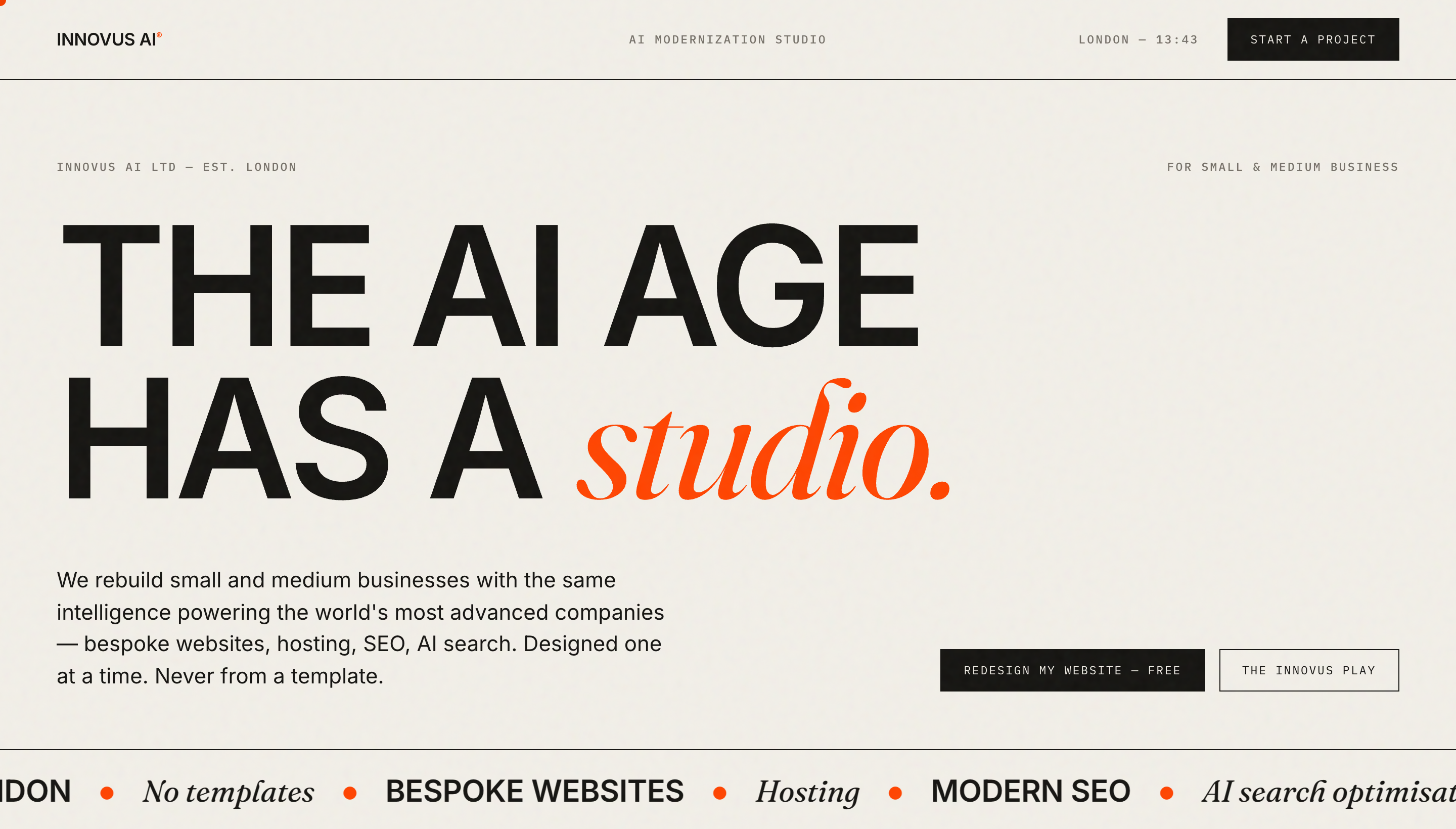
Innovus is my studio identity, the umbrella for the free rebuild work. I designed the brand, wrote the copy, built and deployed the site, and set up the structured data and search optimisation myself.
Search "Innovus AI" on Google and the studio is on the first page, alongside its Companies House record. With no budget, getting found meant the technical side actually worked.
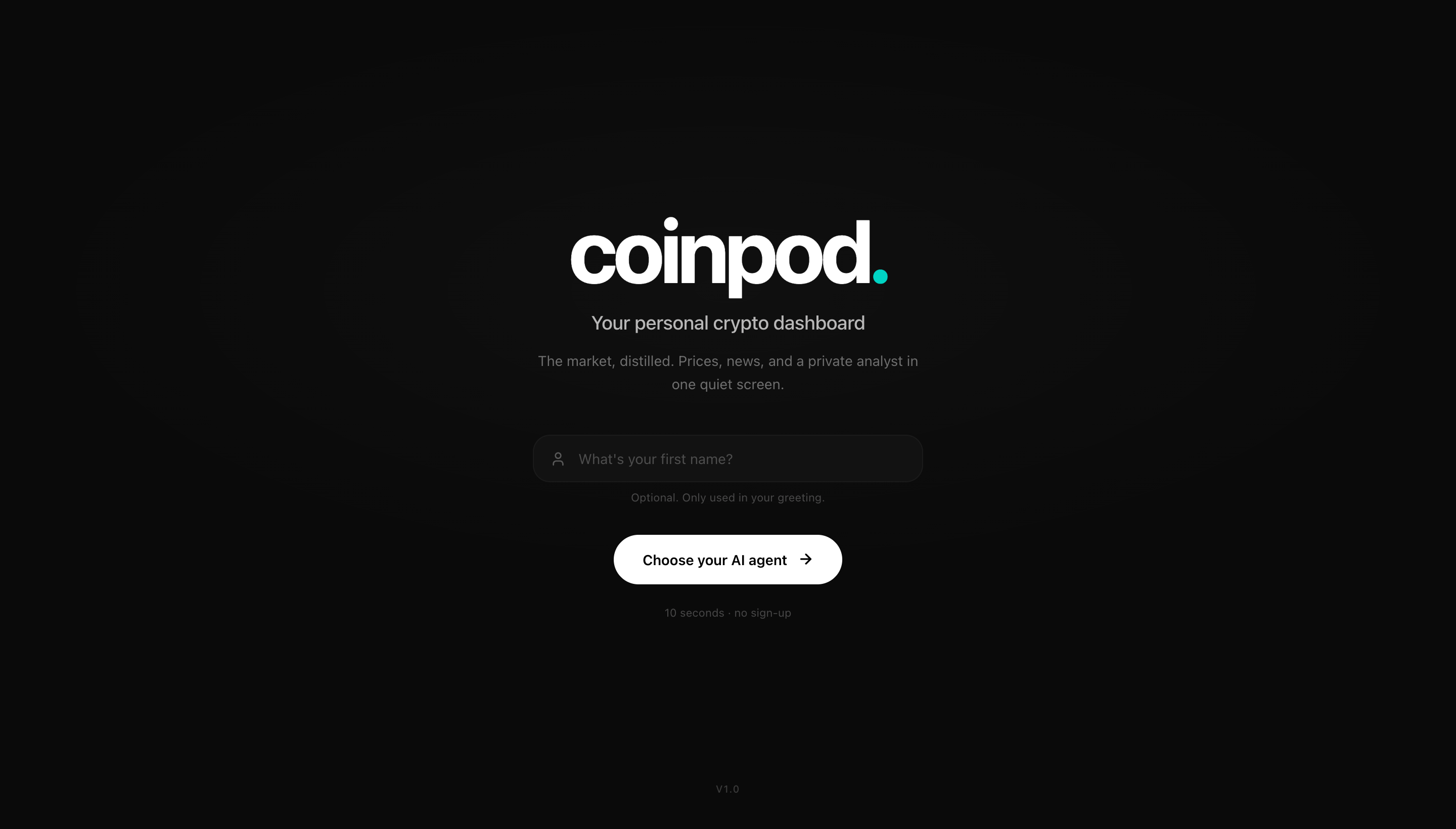
A personal experiment in product design. Take a noisy feed of live market prices and distil it into one quiet screen, with an AI chatbot that reads the live numbers and answers questions in plain English.
This was where I found my limits. Live data feeds, keeping a site deployed, connecting an AI model to real numbers. It works, but I want to properly understand the layer underneath it.
Reviews, existing sites, and how customers actually find and use them.
I try to pull the look from the industry itself, so each project feels like its own thing.
I direct, iterate and edit, and AI tooling writes most of the code. Fast, but it's the step I want to properly understand.
Hosting, domains, DNS, metadata, performance, search visibility. I set all of this up myself and learned it by getting it wrong first.